

Stronger homes, safer communities: how Habitat for Humanity Australia is helping NSW residents prepare for bushfire season
A fire came within 600 metres of Sarah’s property a few years ago. She still remembers how close it felt.
At almost 70, Sarah had always taken pride in maintaining her home. But as the years passed and her health declined, keeping the land clear became too much. She didn’t have the money to hire help, and she didn’t have the physical strength to do it herself.
She’s not alone. Across the Blue Mountains and Hawkesbury-Nepean region, thousands of people face the same problem every fire season.
The hidden side of bushfire risk
When we think about bushfire preparedness, we often picture clearing gutters, trimming trees, or creating a fire break around the home. Simple tasks, in theory.
But for many people, these tasks are anything but simple.
Elderly residents. People living with disability. Those without family nearby to lend a hand. For these households, basic fire preparation can feel completely out of reach, even when the risk is right on their doorstep.
Project Coordinator Steph Ellam, who has led Habitat’s Bushfire Resilience Project since October 2025, sees this every day.
“We work to remove the barriers that limit people’s capacity to prepare. Most commonly, that’s physical limitations (64%) and a lack of support networks (40%), which prevent them from doing essential bushfire preparedness work on their own.”
How Habitat is helping
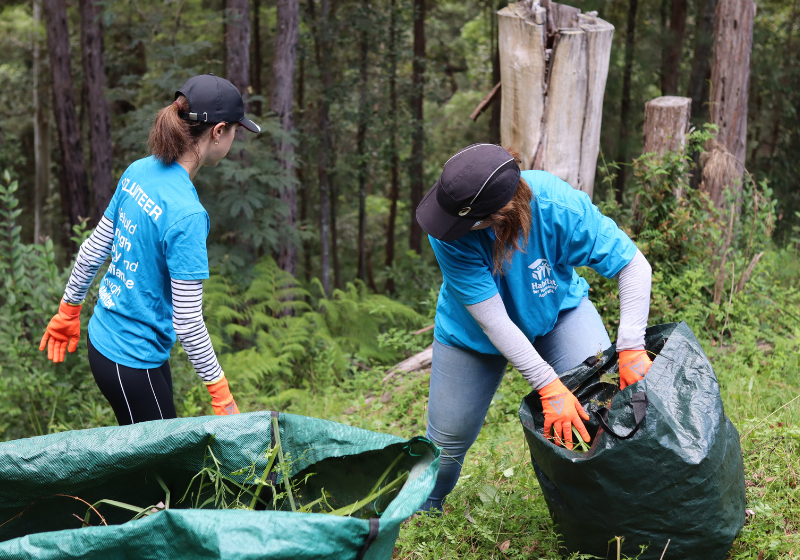
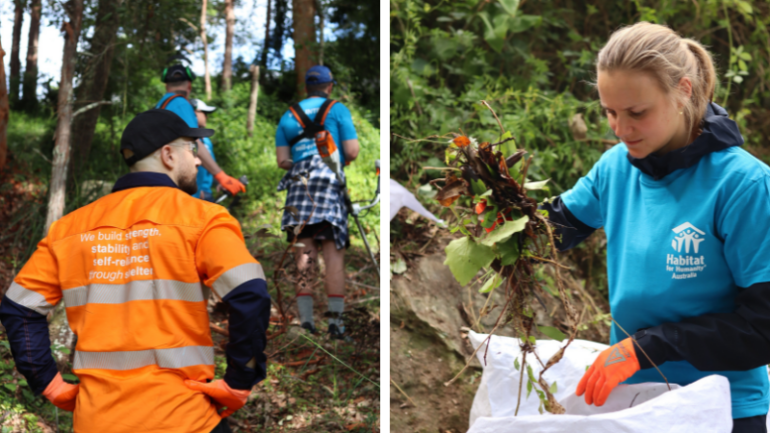
Since 2020, our work crews have been supporting communities in some of the most bushfire prone areas in the world. The work is practical and hands on: clearing flammable vegetation, trimming tree limbs, cleaning gutters, managing overgrown slopes, and completing minor exterior repairs.
Every service is provided at no cost. Referrals come through councils, aged care services, and local NGOs, ensuring support reaches the people who need it most.
This work is made possible through the support of the GHD Foundation, whose funding partnership has allowed us to continue delivering hands on bushfire preparedness support to vulnerable households across the region.
It’s the kind of work that doesn’t always make headlines. But it makes an enormous difference to the people living with that risk every day.
The impact, in numbers
Over the past year, the results speak for themselves:
- 48 people supported
- 21 homes made safer
- 289 hours of hands on work completed
- 46 volunteers mobilised
- 8 graduates moved into casual employment
And the outcomes for residents have been overwhelmingly positive:
- 100% reported improved safety
- 100% reported improved wellbeing
- 92% reported a reduced sense of risk
Numbers like these tell an important story. But they only tell part of it.
What it meant for Sarah
When Habitat’s team arrived to clear Sarah’s property, the change was immediate.
Years of overgrowth were cleared. The fire risk around her home dropped significantly. But just as importantly, a weight lifted. Sarah no longer had to lie awake wondering what might happen if a fire came through again.
“I’m so grateful,” she said. “The work was amazing and effective.”
For Sarah, this wasn’t just about vegetation. It was about being able to stay in her own home, safely and independently, for years to come.
Why this work matters now more than ever
Climate change is making extreme weather more frequent and more severe across NSW. At the same time, demand for hazard reduction support is growing faster than services can keep up.
Programs like the Rural Fire Service’s AIDER initiative are already oversubscribed. Tradespeople are in short supply, and where they are available, costs are often out of reach for the people who need help most.
This is the gap Habitat’s Bushfire Resilience Project exists to fill. Practical, skilled support, delivered at no cost, to the households who need it most.
Looking ahead
With continued support from partners like the GHD Foundation, we’re aiming to reach even more households across the Greater Blue Mountains. That means more assessments, more volunteers on the ground, and more opportunities for our Habitat Women maintenance trainees to build hands on experience while making a real difference.
Because true resilience isn’t just about responding after a disaster. It’s about being ready before one happens.
If you’d like to learn more about this work, or find out how you can support it, visit habitat.org.au or call 1800 88 55 99.