On 26 August 2026, a rapid, high-energy flash flood entered Nepal from Tibet, causing widespread destruction around the north and northwest of Kathmandu, Nepal’s capital city. The most affected districts include Rasuwa, Nuwakot, Dhading, and Gorkha.
The flooding has caused major damage to settlements and infrastructure, and severely affected an estimated 93,000 people, with 1,403 fatalities recorded so far. Many affected families have lost their homes, clothing and essential household items. Families have had no option but to watch their homes get washed away, and search desperately for missing loved ones. Entire communities are grappling with the scale of what’s happened.
Habitat for Humanity Nepal is closely assessing the situation and coordinating with partners and government to deliver urgent aid. Casualty numbers will continue to rise and response efforts will be hindered by further rainfall and flood-damaged terrain. The families of Central Nepal need our help.
Your support will mobilise our emergency response, particularly where safe shelter and housing assistance are most urgently needed.
This is an active emergency. We will update this page as more information becomes available
Our team on the ground
We are so thankful our team are safe, and currently on the ground working to ensure other families have safe shelter.
Right now, we're coordinating closely with other humanitarian organizations and government agencies to plan the emergency response. By working alongside national and local responders, we're making sure help reaches people faster, without duplication or delay.
Your support today helps us move from assessment to action, getting emergency shelters to families who have lost everything.
what will my donation go towards?
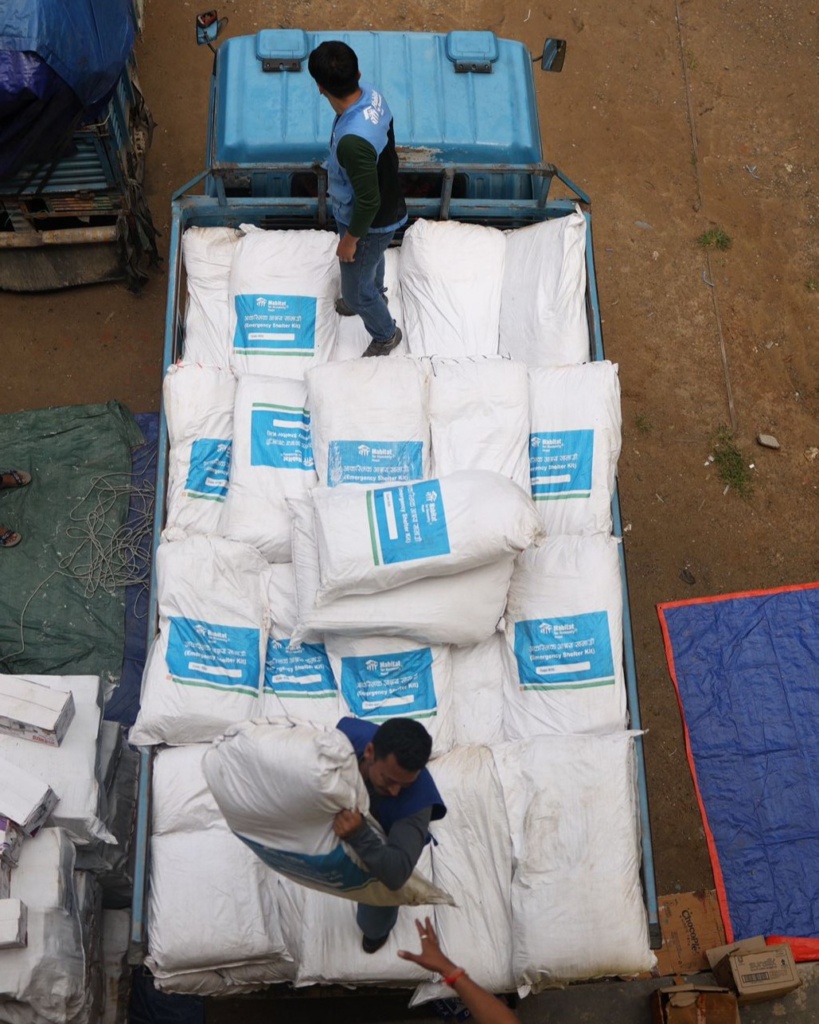
Phase 1: Emergency Shelter Kitdistribution for 1000 households
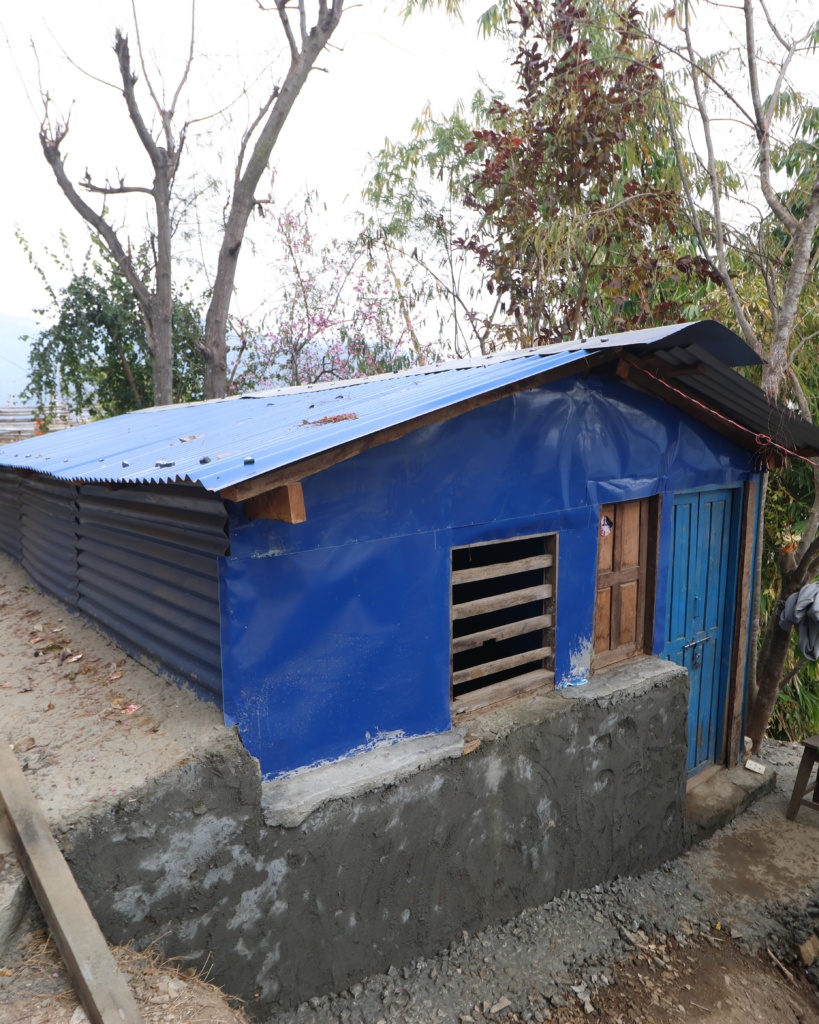
Phase 2: Transitional shelters and shelter repair
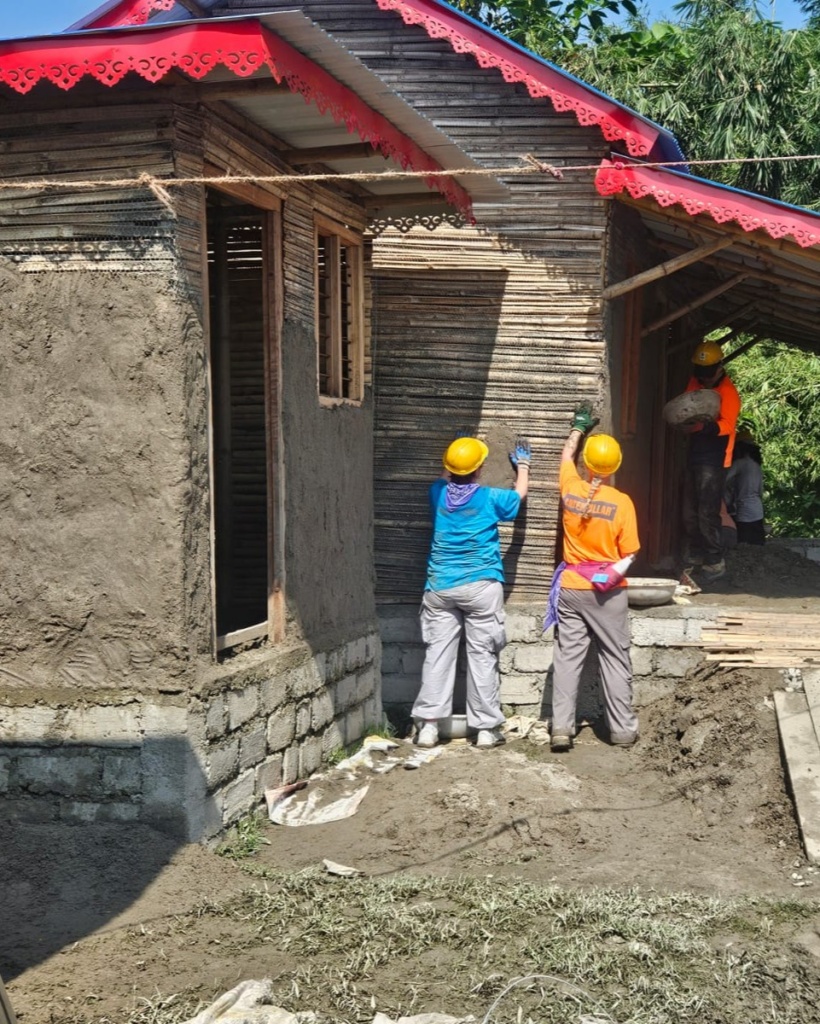
Phase 3: Reconstruction of climate-resilient homes to replace what was lost in the floods
As Nepal continues to recover from the devastating floods and landslides, the importance of safe, resilient housing has never been clearer. Habitat is working with local authorities to build transitional shelters for 300 families. Using local materials and innovative techniques, these new homes support families through the recovery phase and empowers local builders with skills for safe, sustainable construction.
your care helps communities recover and rebuild
$133
Delivers an Emergency Shelter Kit
$350
Helps fund an immediate emergency response
$930
Builds a transitional shelter
$____
Put your generosity to work where it’s needed most.