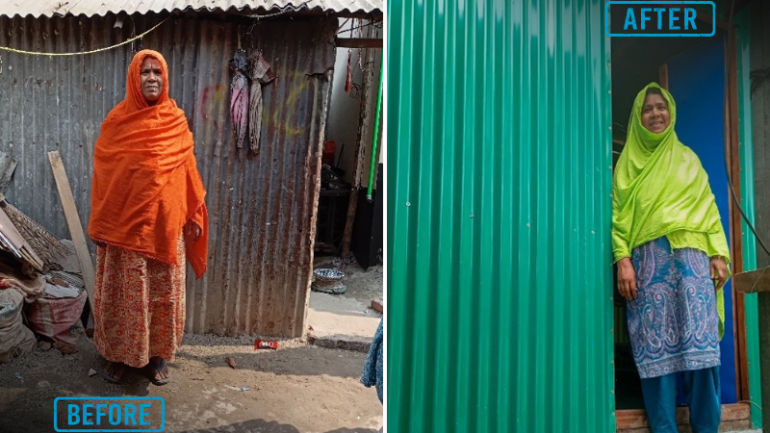
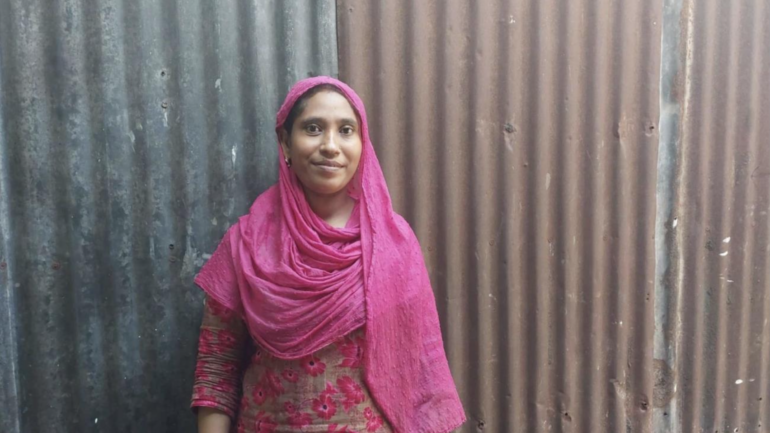
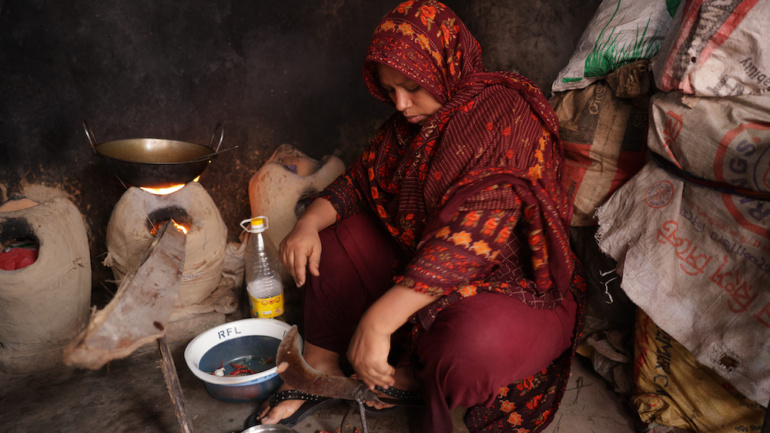
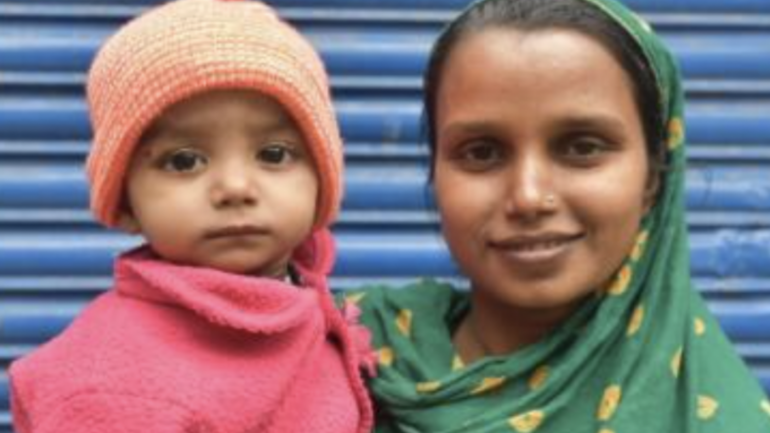
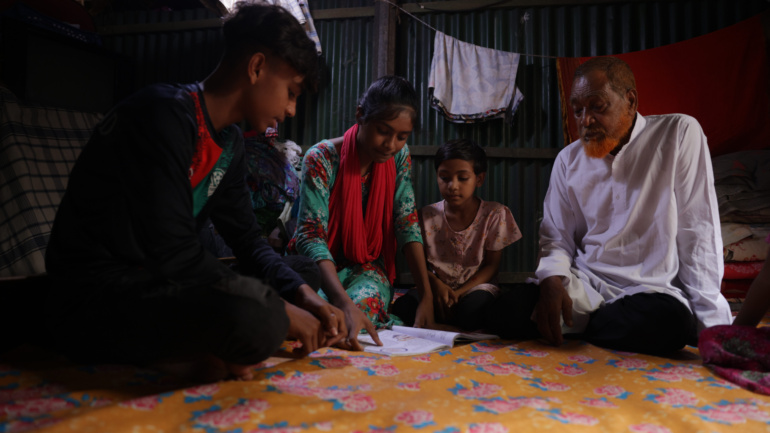
For years, Kohinur’s family crowded into a single room, watching the monsoon rains ruin their belongings and their peace of mind every single season. With support from Habitat for Humanity, that changed.
Since 2012, Habitat for Humanity Australia has partnered with people living in urban informal settlements (or ‘slum’ communities) in Dhaka to strengthen collective resilience. Our work focuses on improving access to safe and…
At Habitat for Humanity Australia, we're dedicated to building a world where everyone has a safe, affordable place to call home. Across the Asia-Pacific region, we’re working hand-in-hand with local partners in countries…
In many parts of the world, menstruation remains shrouded in stigma and silence. Myths, and misconceptions leave women and girls without the information and resources they need to manage their health. For Komola,…
Meet Sumi: Building Strength and Resilience in Duaripara
Duaripara, home to over 1,500 families, is a vibrant community in Dhaka, Bangladesh, facing a range of challenges like overcrowding, insufficient water and sanitation services,…
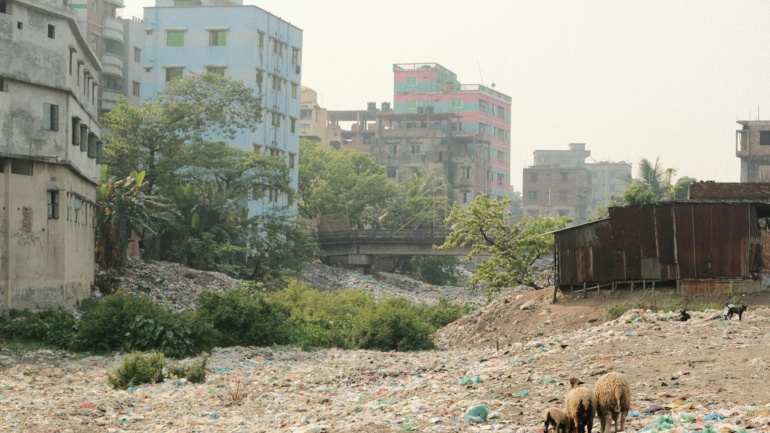
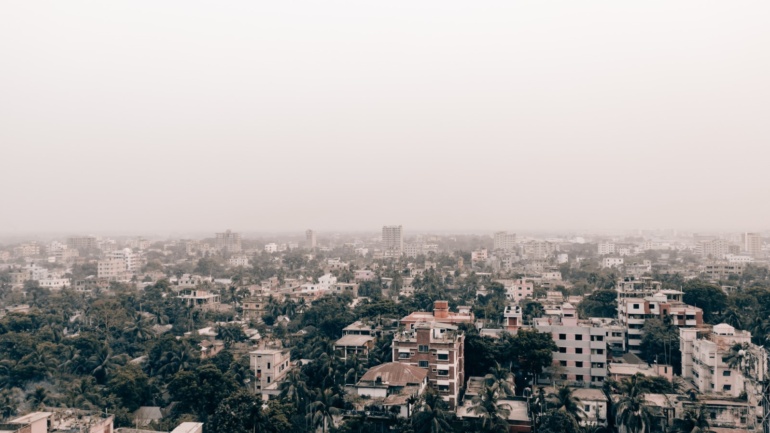
The bustling city of Dhaka, Bangladesh, is home to 22.4 million people, many of whom reside in urban slum settlements, facing extreme hardships. In the heart of these challenges, Habitat is making a…
In Bangladesh, 61.7 million people do not have access to basic hygiene facilities such as toilets. Many of these people live in informal settlements and slums.
Nurjahan Akhter Namza (32) is a resident…
In a community like Beguntila, Bangladesh where access to basic rights are very limited, children’s rights and sexual health rights are often ignored and gender inequality is the norm.
Currently over 1 billion people worldwide are living in informal settlements, also known as slums, with over 370 million living in East and South East Asia. Not only are these communities struggling…